Power flushing.
Cold patches on your radiators aren't random — they're a sign your heating system is clogged with years of built-up sludge, and it's only getting worse the longer it's left.
What's actually happening inside your pipes
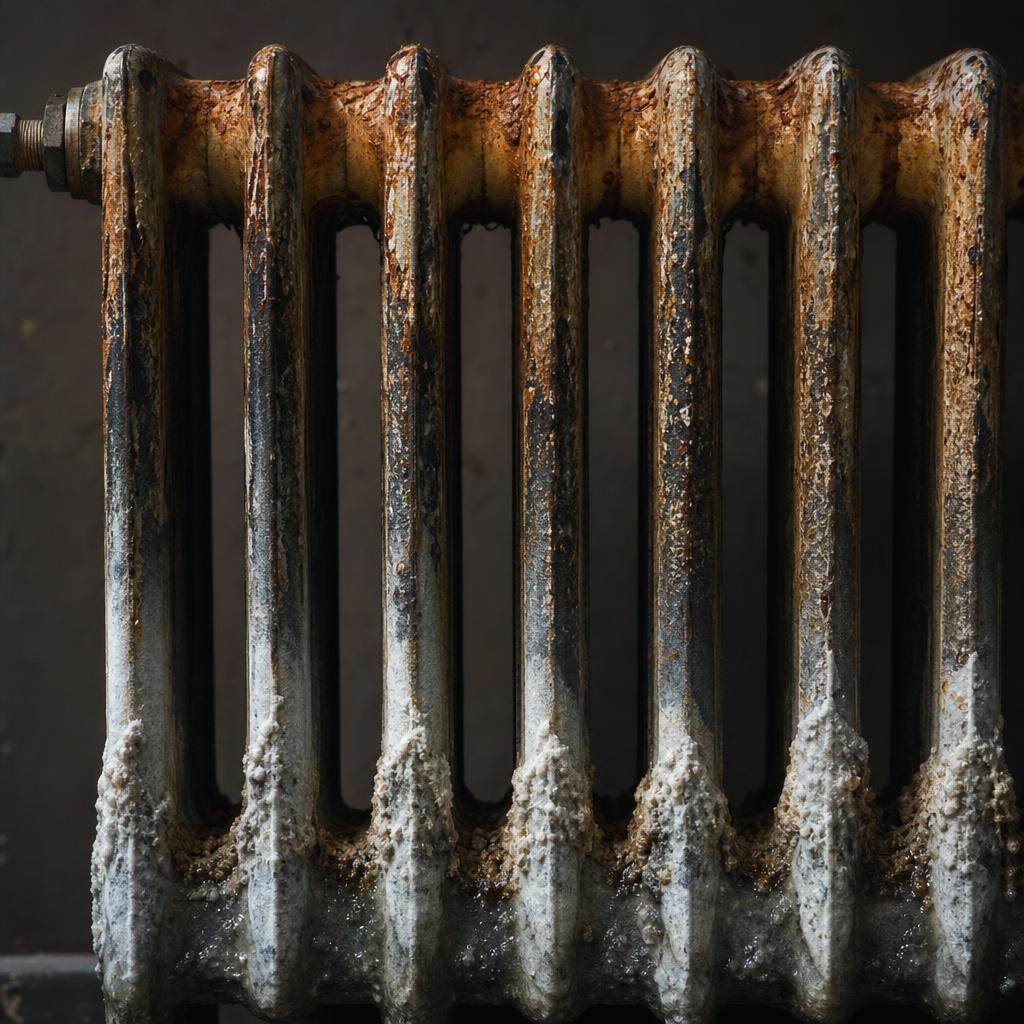
Rust, limescale, and debris accumulate inside radiators and pipework over years of normal use, particularly in older systems. That build-up settles and blocks water flow — which is exactly why radiators run cold at the bottom while staying warm higher up.
It's not just a comfort issue. A clogged system forces your boiler to work harder for the same result, wearing it out faster and quietly increasing your energy bills along the way. A power flush is often recommended before or after a boiler upgrade and is good practice alongside your annual boiler service. Read more in our power flushing guide.
How a power flush fixes it
Using specialist pump equipment, we circulate a cleaning solution through your entire system at high velocity, breaking down and clearing years of accumulated debris from every radiator and pipe. Once clean, an inhibitor is added to slow future build-up.
The Symptoms
Cold Spots
Radiators are cold at the bottom or middle, even when bled.
Slow Heat-Up
The house takes much longer to warm up than it used to.
Noisy Boiler
Banging, crackling, or "kettling" noises coming from the boiler.
Frequent Bleeding
Constantly having to bleed air from radiators.
After Power Flushing
Increased Efficiency
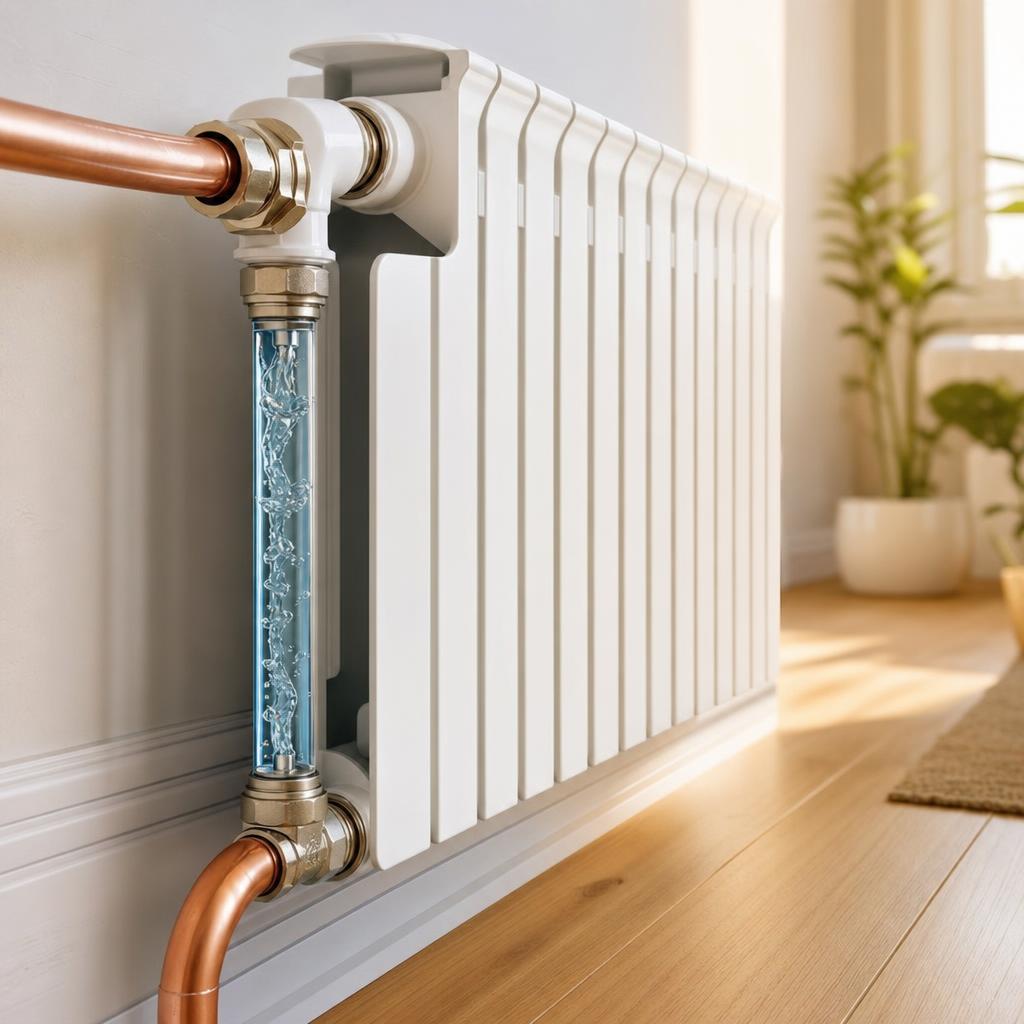
Water flows freely, heating radiators faster and reducing gas usage.
Even Heating
Cold spots are completely removed. Full heat output restored.
Life Extension
Removing abrasive sludge protects your boiler's heat exchanger and pump.
Quieter System
Eliminates kettling noises and banging pipes.
Signs it's time for a flush
Cold spots, gurgling or banging noises, discoloured water when bleeding a radiator, and a boiler working harder than it used to are all clear signals worth acting on.
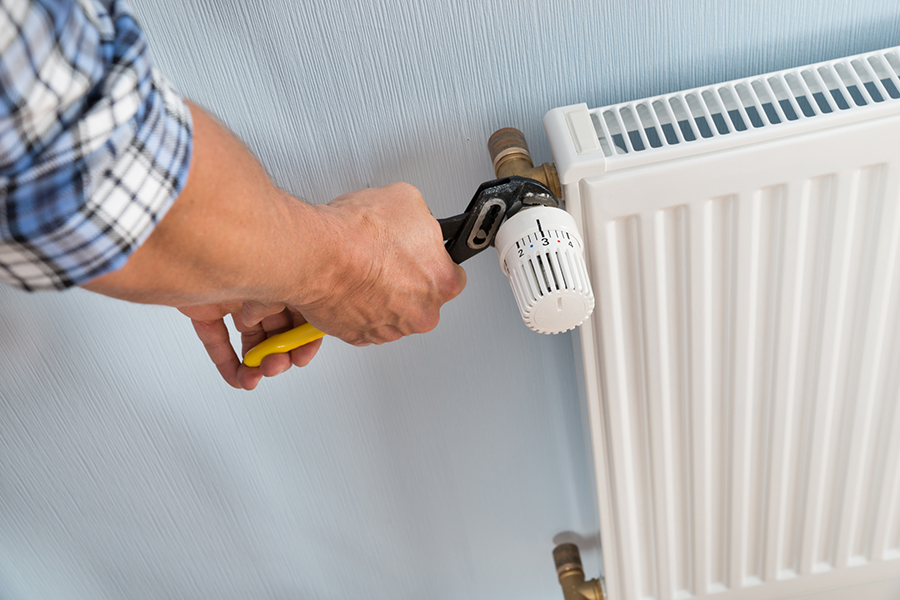
Covering Dublin, Kildare & Wicklow
Power flushing across Dublin city and county, throughout Kildare including Naas, Celbridge, Leixlip and Maynooth, and across Wicklow including Bray, Greystones and Wicklow Town.
Power Flushing — Frequently Asked Questions
What is power flushing?
How do I know if I need a power flush?
How much does power flushing cost in Dublin, Kildare, and Wicklow?
How long does a power flush take?
Do I need a power flush before a new boiler?
How often should I power flush my heating system?
Get a Free Quote
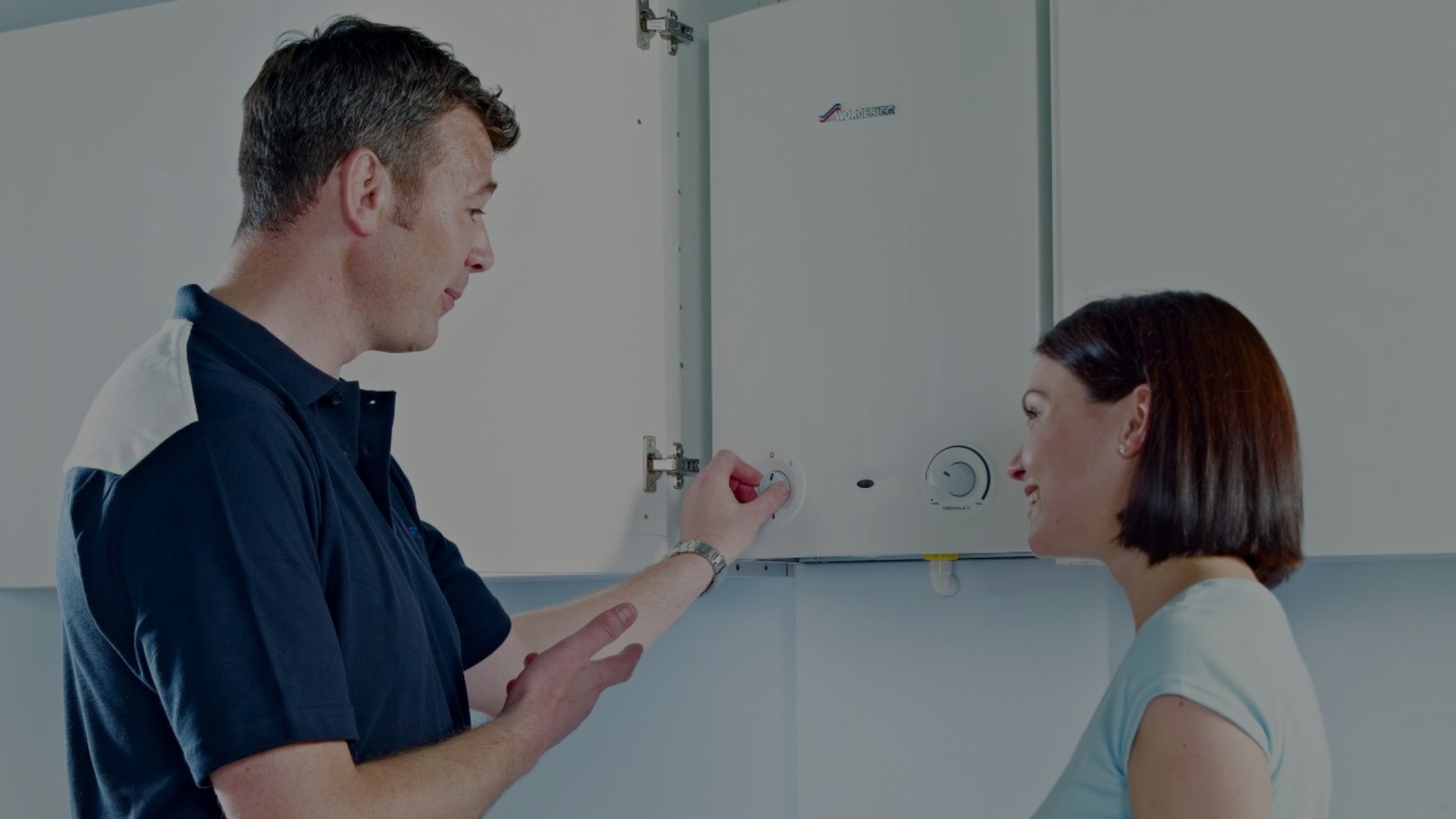
Contact us via WhatsApp and send images of your boiler or heating system. We'll assess your needs, explain the grants available, and go from there!
Revolution Gas
RGII Registered engineers, honest advice, no pressure.
- Free, no-obligation assessment
- Grant eligibility explained clearly
- Fixed prices, no hidden costs
- Dublin, Kildare & Wicklow